
Embrace the Future: 2026 Graphic Design Trends for Bold Brand Identity

Updated: Jan 16
Graphic design is evolving faster than ever, driven by technology, culture, and shifting user expectations. As we approach 2026, bold trends are emerging that will reshape branding, typography, and visual storytelling. Designers and brands are moving beyond overly polished visuals in favour of work that feels authentic, expressive, and human-led.
Save this guide to Pinterest to keep these 2026 graphic design trends handy for your upcoming projects!
This post breaks down the most important trends to watch, from AI-assisted workflows and experimental typography to sustainability-driven aesthetics. It is designed to help creatives stay relevant and design with purpose.
AI-Assisted Design & the Future of Graphic Design in 2026
Artificial intelligence is no longer a novelty; it’s a creative tool. In 2026, the strongest work will come from designers who use AI to explore ideas, generate variations, and speed up workflows while maintaining full creative direction. The result is faster experimentation without sacrificing originality or intention.
Why it matters: AI supports creativity, but human judgement defines the outcome.
Imperfect, Human-Centred Visual Design
Hand-drawn elements, raw textures, uneven lines, and analog-inspired details are becoming more prominent as designers intentionally move away from hyper-polished visuals. This trend reflects a cultural shift toward authenticity and relatability.
Where it works best: Branding, packaging, editorial design, and creative-led businesses.
Experimental Distortion & Expressive Visuals
Distorted imagery, warped typography, and glitch-inspired effects are being used to convey emotion, tension, and narrative. Rather than decorative flourishes, these elements are applied with purpose to enhance storytelling.
Best for: Music, fashion, youth culture, and bold editorial layouts.
Structural & Blueprint-Inspired Design Systems
Grids, wireframes, architectural lines, and schematic layouts are no longer hidden; they’re becoming visible design features. This trend communicates clarity, intelligence, and intentional construction.
Ideal for: Tech brands, data-driven platforms, and conceptual design projects.
Typography-Led Brand Identity
In 2026, typography is doing more than supporting logos; it is the brand. Designers are using expressive, layered, and experimental type to lead visual identity systems.
Impact: Strong typography reduces reliance on traditional logo marks while increasing brand recognition.
Retro Futurism & Digital Nostalgia
Designers are revisiting early digital aesthetics through a modern lens. Expect soft gradients, glass-like effects, luminous blues, and subtle 3D depth that feels both nostalgic and forward-thinking.
Common use cases: Tech startups, apps, and future-focused consumer brands.
Mixed Media & Collage-Based Composition
Layered visuals combining photography, illustration, scans, textures, and typography are gaining popularity. This approach creates rich, tactile compositions that feel expressive and lived-in.
Perfect for: Album artwork, cultural campaigns, and independent publications.
Motion-First Visual Identity Systems
Motion is no longer optional. Logos, typography, and brand systems are increasingly designed with movement in mind. You'll see everything from subtle micro-interactions to fully animated identities.
Why it matters: Motion helps brands stand out in digital-first environments.
Flat Design with Subtle Depth
Flat design continues to evolve through the use of layered elements, soft shadows, and depth cues that improve usability without overwhelming the interface.
Best applied to: UI design, dashboards, and responsive websites.
Sustainable & Eco-Conscious Design Aesthetics
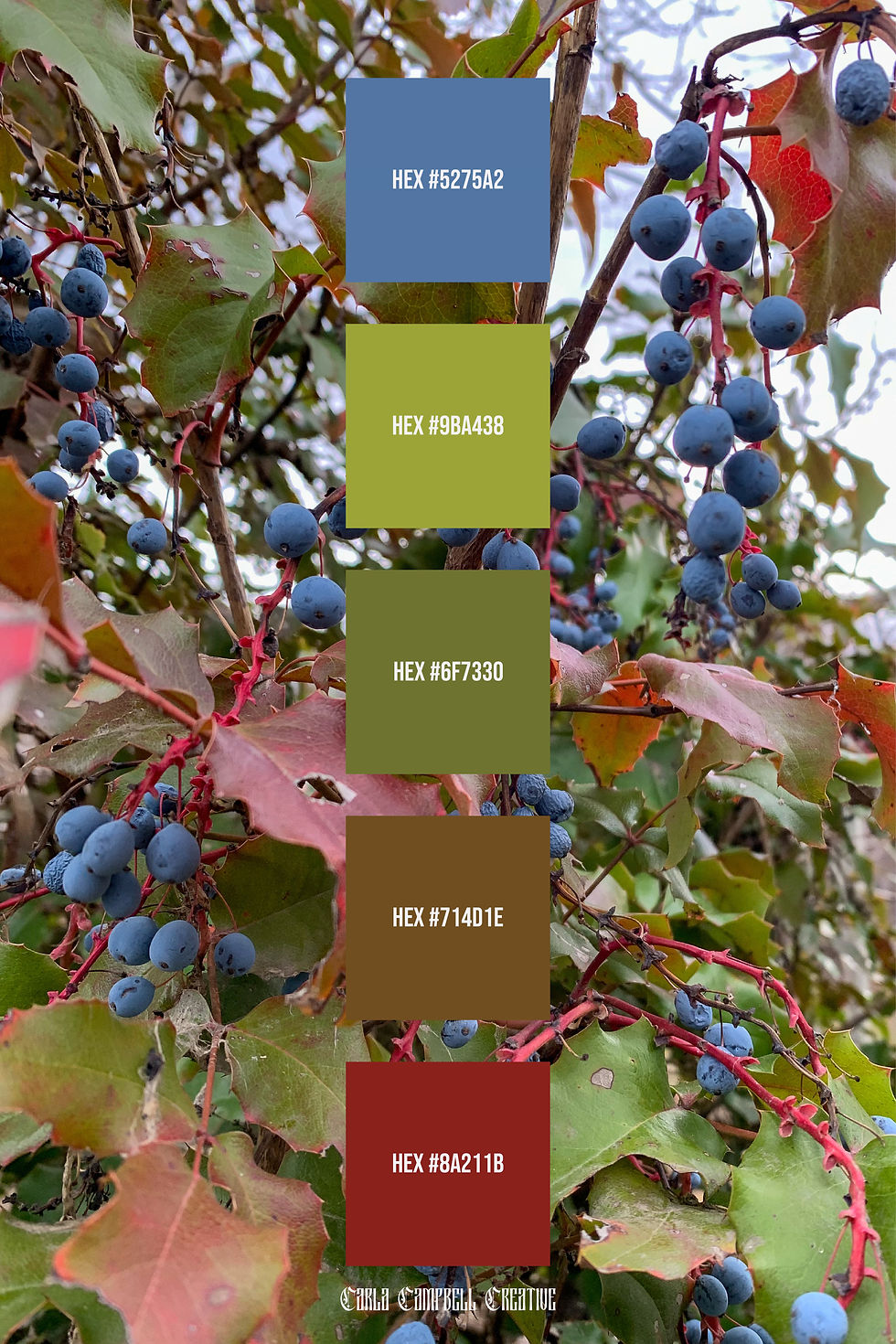
Sustainability is shaping not just messaging, but visual language. Earthy palettes, organic textures, and material-inspired visuals help brands communicate responsibility and trust.
Brand benefit: Aligns visual identity with environmental values.
The Importance of Authenticity in Design
In a world saturated with content, authenticity is key. Brands that embrace genuine storytelling and human connection will resonate more deeply with their audiences. This trend is not just about aesthetics; it's about creating a meaningful dialogue with consumers.
Why it matters: Authenticity fosters trust and loyalty, making your brand more relatable.
Frequently Asked Questions About 2026 Graphic Design Trends
What are the biggest graphic design trends for 2026?
AI-assisted design, expressive typography, motion-led branding, and authenticity-driven visuals are leading the way.
How can brands prepare for 2026 design trends?
Brands should invest in flexible identity systems, prioritise motion and digital adaptability, and focus on human-centred storytelling.
Are 2026 design trends suitable for small businesses?
Yes, many of these trends emphasise clarity, authenticity, and strong typography, which are accessible at any scale.
Save This Guide for Later
Planning future branding or design projects? Save this post to Pinterest for quick reference when working with 2026 graphic design trends and visual identity inspiration.
By embracing these trends, you can create a super distinct brand identity that truly connects with your audience, making you stand out and feel authentic. So, are you ready to dive into the future of graphic design? Let's make it happen!


Comments